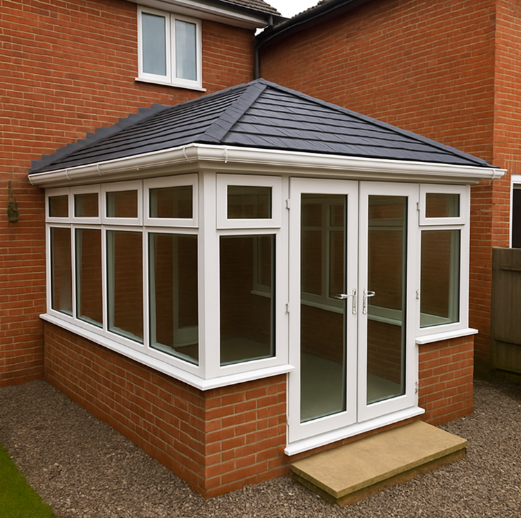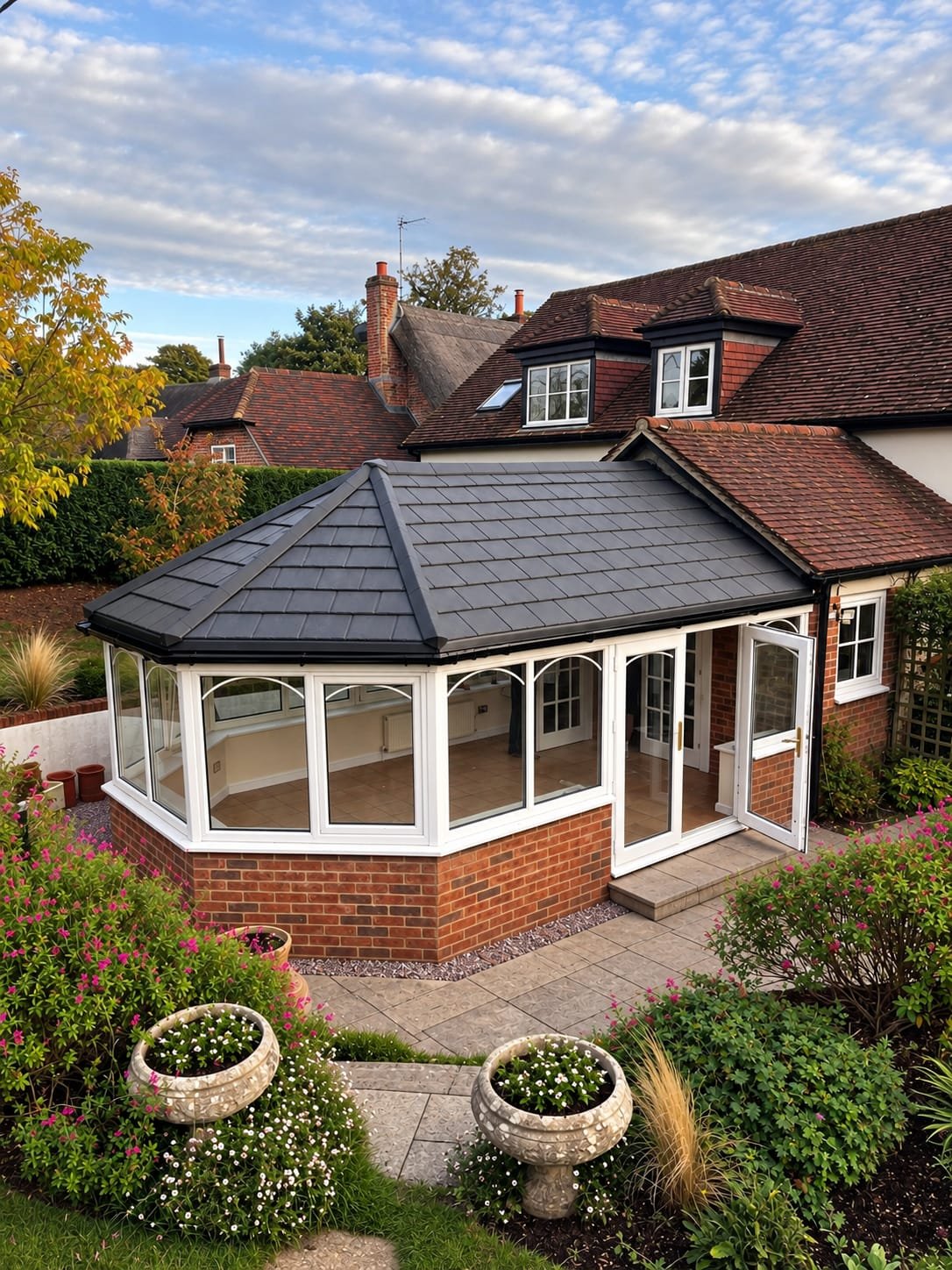
As temperatures drop and evenings draw in, many homeowners face the same problem: a room that is too cold to enjoy. What should be a warm part of your home can quickly become a space you shut off until spring. If this sounds familiar, a conservatory roof replacement with a lightweight tiled roof may be worth doing before winter. A well-built, insulated roof can help you reclaim the space, improve comfort and cut heat loss.
Keep Warmth Inside the Room
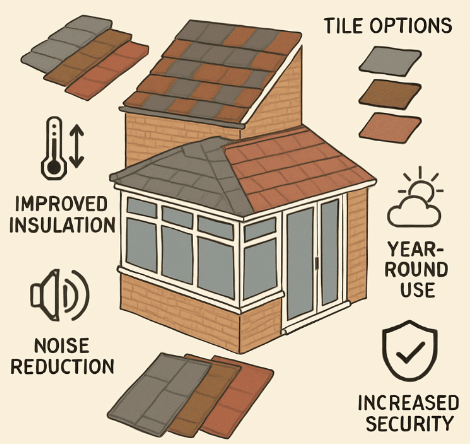
Older plastic panels and weak glass roofs can let heat escape fast, making it hard to keep the room warm. A lightweight tiled roof slows that heat loss, so the room holds warmth better. Insulation can help cut heat loss and energy use, though the result also depends on the windows, doors, walls and heating. Instead of reaching for another blanket or avoiding the room, you could enjoy it for meals, work or rest through the colder months.
Avoid Heating a Room That Struggles to Stay Warm
When the room loses heat fast, you may run radiators or electric heaters for longer and still not feel warm. Leaving an old roof in place can mean another winter of paying to heat a room that cools down quickly. A well-insulated replacement roof can lower the room’s heating need. Exact savings vary from home to home, but better roof performance tackles a major source of heat loss.
Get More Use From Space You Already Own
Your room should be more than a place to store garden furniture all winter. Replacing the roof can make it easier to use as a family room, home office, dining space or quiet retreat. If you need more usable space, improving an existing room is worth looking at before a bigger build. Without fixing the cold, you may keep paying to heat a room that gives little back for much of the year.
Improve Comfort Beyond Temperature
A tiled roof can also soften heavy rain noise, especially compared with older plastic roofing, and cut glare from above. Replacing an old roof also gives you a chance to check for leaks, damaged parts and worn seals. Leaving known faults in place can let water damage get worse in wet weather. Condensation still needs careful review. Insulation, air flow and moisture control must work together; a new roof alone is not a sure fix.
Plan Ahead Before Winter Takes Hold
Booking a survey before the cold weather arrives gives you time to understand your options and plan installation. Your installer should check whether the existing structure can take the new roof and explain the relevant Building Regulations requirements. Lightweight tiles still need proper structural checks. At Conservatory Insulation South West, we help homeowners across Cornwall, Devon and Somerset explore lightweight tiled roof replacements. Contact us for a free quote and take the first step toward a warmer, quieter space you can enjoy all winter.
Q&A
Question: Why is it better to replace a conservatory roof before winter rather than during the colder months?
Short answer: Planning ahead gives you time to arrange a survey, look at your options and plan the work before the cold weather sets in. It also means you can start enjoying better warmth, comfort and less heat loss during the months when your conservatory is most likely to feel cold.
Question: Will a lightweight tiled conservatory roof guarantee lower energy bills?
Short answer: Not always. A well-insulated replacement roof can reduce heat loss and may lower the room’s heating need, but exact savings vary between homes. The result also depends on windows, doors, walls, ventilation and the type of heating used.
Question: Can a tiled roof make a conservatory more usable all year round?
Short answer: Yes. Replacing an inefficient roof can make the space more comfortable in colder months, so it can work as a family room, home office, dining space or quiet retreat. It can also cut rain noise and overhead glare, which improves comfort beyond temperature alone.
Question: Does a new roof solve condensation problems in a conservatory?
Short answer: It may help as part of a wider upgrade, but it is not a guaranteed fix for condensation. Condensation needs proper review because insulation, ventilation and moisture control all need to work together.
Question: Are structural checks needed for a lightweight tiled conservatory roof?
Short answer: Yes. Even lightweight tiles need proper structural checks. Your installer should check whether the existing structure can take the new roof and explain any relevant Building Regulations requirements before installation.